NatGeo: “How to Be” Series
Do you have a child who wants to be a pirate? Or maybe an Egyptian princess? Maybe they are too old for that but are really into learning about the Revolutionary War or ancient Greece?
by Bob Doman According to the Yale Center for Dyslexia and Creativity, “Dyslexia affects about 20% of the population and represents 80-90% of those with learning disabilities.” We are talking about as many as 62 million children and adults! What is “dyslexia?” It’s a developmental reading problem. Did you know that virtually every child under…
by Lori Riggs When I was in college I took flying lessons. My dad, whose curriculum vitae included private pilot since age 16, instructor pilot, fighter pilot, and airline pilot, did not teach me. However, coming to visit me in Waco one weekend, he was happy to fly with me to see what I had…
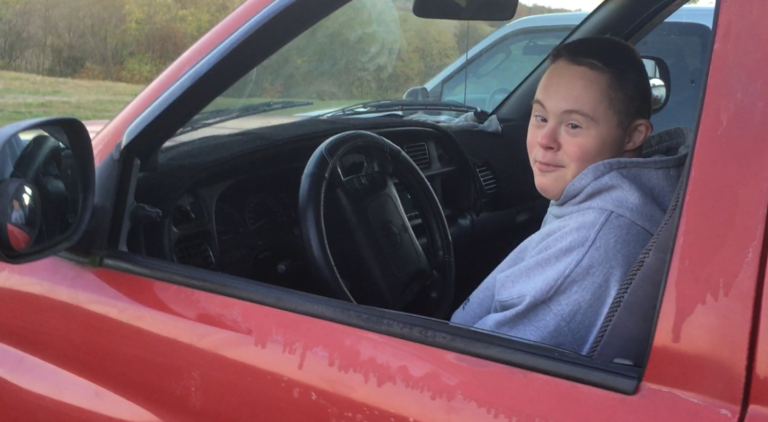
by Bob Doman Isaac is a young man who we are very proud of, as we are of his mom and dad who have done such a great job with him. Isaac started with us ten years ago when he was seven. In the past ten years we have had the privilege of working with…
by Bob Doman In my extensive travels I have many opportunities to observe families and their children. Having done so for many decades now, it is blatantly obvious that many parents today must believe in magic. Children are not born with some innate understanding of how to act and behave or, if you will, how…
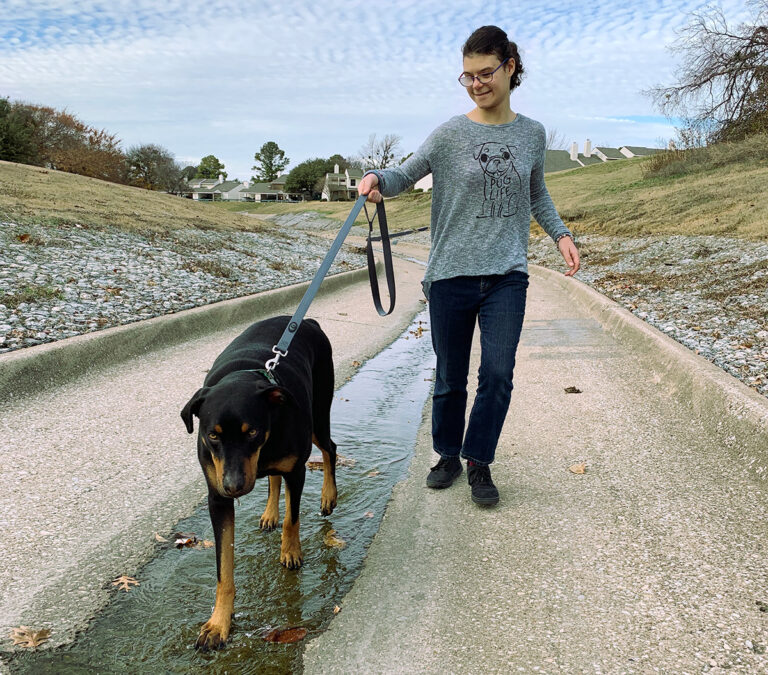
by M. Harrington We brought our daughter to NACD after adopting her from another country at the age of 7 and trying for four years to homeschool her ourselves. While we were making progress developmentally and academically, progress was slow before we found NACD. Lyn helped us discover specific things about our daughter’s brain and the…
Robert J. Doman, Jr. The term “neurological organization” means that the brain can take in and store information in an orderly and “organized” fashion. A child lacking in complete neurological organization is to some degree neurologically dysorganized. To a large extent, this is an environmental or inherited problem as opposed to the organic dysorganization found…