Preventing Educational Insanity: Why One-Size-Fits-All Is Failing Our Kids
by Bob Doman
The quote “Insanity is doing the same thing over and over again and expecting different results” is often attributed to Albert Einstein, but it actually came from novelist Rita Mae Brown. I must admit I liked it better when I thought it was Einstein’s, but coming from a novelist doesn’t make it any less true. And nowhere is it more true than in education.
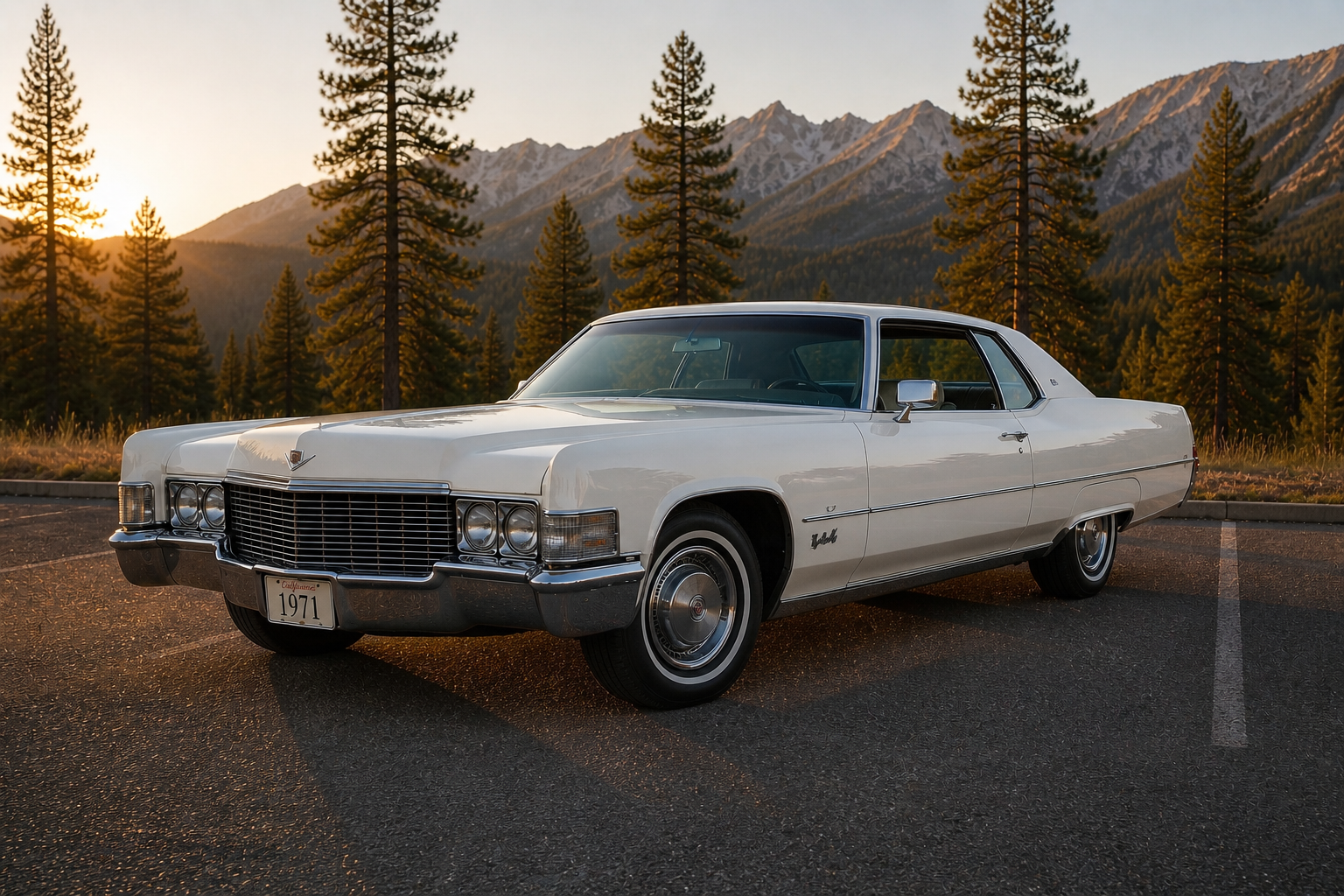
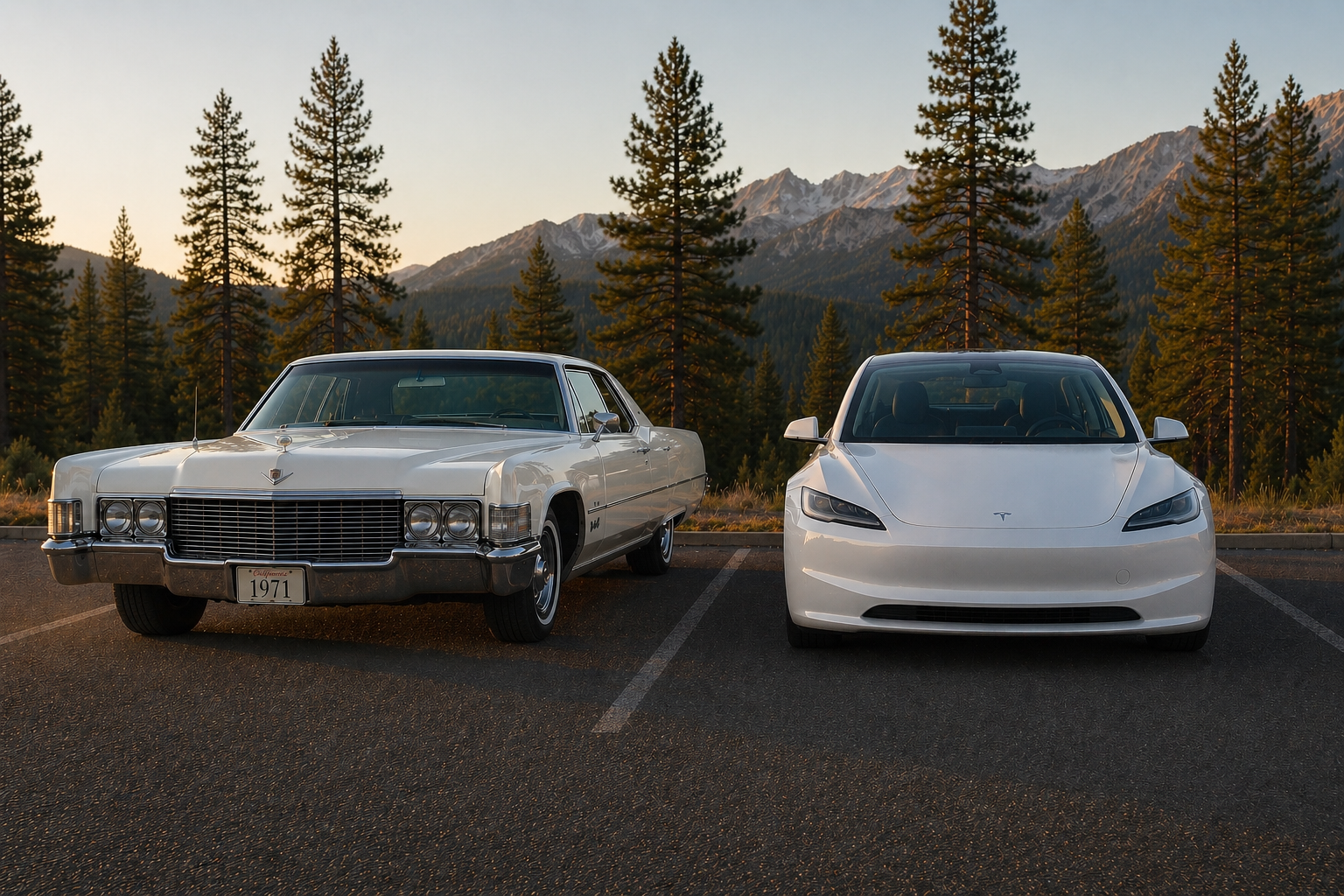
Look at a 1971 Cadillac, the top-of-the-line American car of its day and compare it to a self-driving Tesla. The development and change have been more than dramatic. As an old Star Trek fan, I notice the same thing watching reruns: in many ways we’ve already surpassed what those writers could even imagine. Captain Kirk used a flip phone.
Almost everything has changed dramatically over the last fifty years, with one glaring exception: education. I can think of nothing that has progressed slower. Long-term trends in educational outcomes show a graph that is virtually a straight line from 1971 to today.
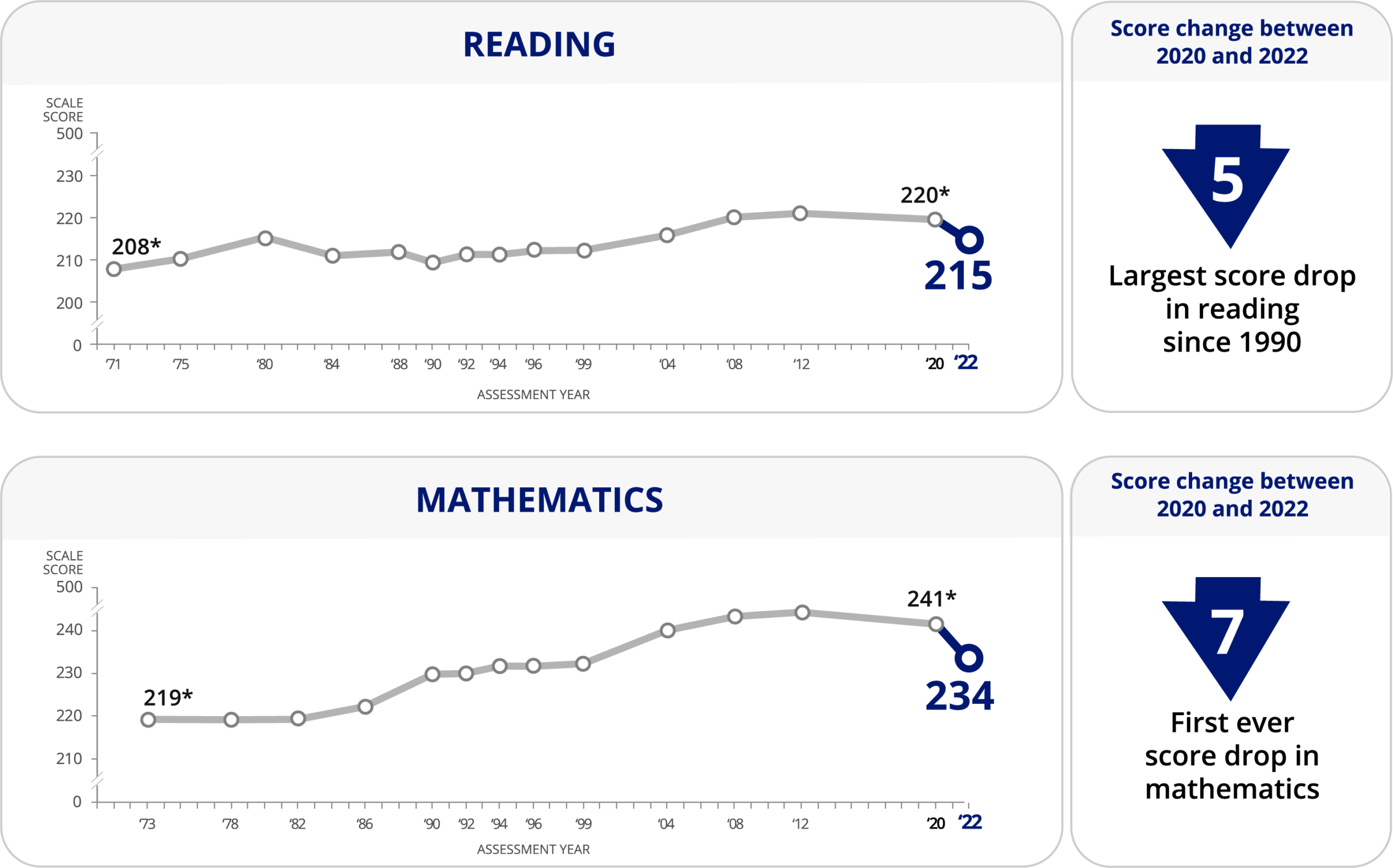
Why Education Is Stuck
There are many contributing factors. A few of the biggest:
- Self-perpetuating training. Most professors in college departments of education are themselves graduates of the very programs they now teach, preserving the same practices decade after decade.
- Questionable curriculum and resistance to choice. There are little real competition and little willingness to let parents choose what works.
- Lack of parental involvement. Many homes have effectively been removed from the educational equation.
- Homework that does more harm than good. Schools try to make up for ineffective use of the six hours a child is in class by sending more work home, often with negative results.
- Teach, test, forget. Material is taught, tested once, and for the most part never revisited, so it never truly enters long-term memory.
One Size Fits No One
But high on my list as to why progress has been so minimal is that our schools are still focused on set curricula, one-size-fits-all education. What is taught is grade or class dependent, not student dependent. In any classroom, at any grade level, there can easily be a disparity of two, three, or even more years in students’ academic levels, with similar differences in their processing levels. A child’s processing level determines how much of what they hear, read, or see they can actually take in, understand, and assimilate.
What Targeted Education Looks Like
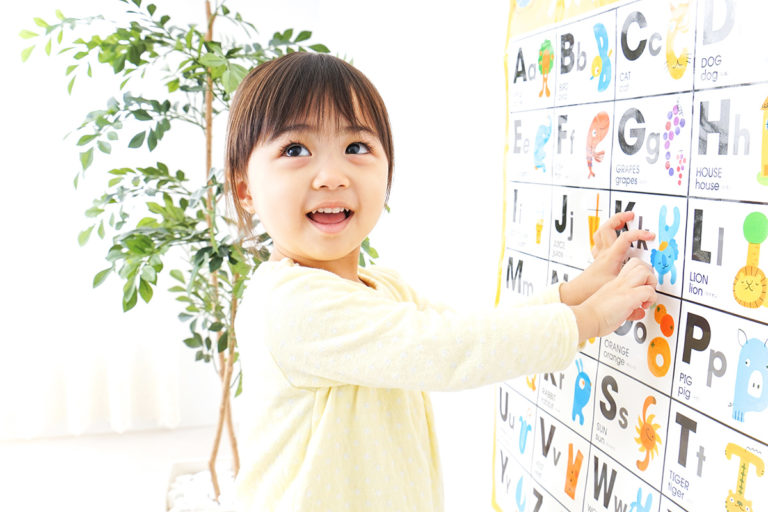
At NACD, we see every day what targeted education can do: education tailored to the individual. Targeted education means teaching the child at their level in each subject, tailoring instruction to the child’s processing level, leveraging the principles of neuroplasticity, and providing targeted input with sufficient frequency, intensity, and duration until the information moves into long-term memory and is associated with other things the child has learned. Developing processing abilities changes the whole picture and the child’s future.
Parents, You Don’t Have to Wait
Changing a system that doesn’t really want to change is going to take a long time. But parents, you don’t have to wait. Consider taking charge: if possible, bring your kids home and provide them with a targeted, tailored education. It can accelerate your child’s learning, turn them into active learners and readers, and yes, make them smarter.
If you’d like to learn how NACD can help you build an individualized program for your child, visit nacd.org or contact us directly. The system may not change in time. Your child doesn’t have to wait.