Preschool

Who We Help · Preschool

you’re doing so much for them. is it enough?

Every preschool parent asks that question. NACD answers it: a full picture of your child’s development, and training to make the most of these precious early years, with the everyday choices you’re already making.
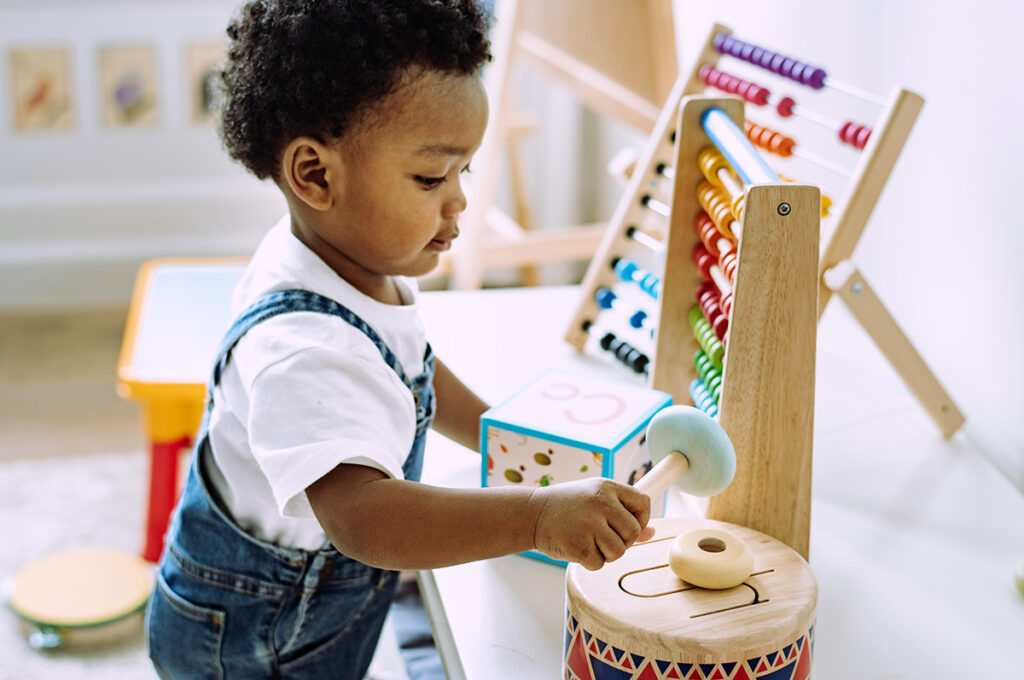
What toys are best? What books? What activities? What food? What about behavior?
Start Your Free Get Started Program
Free application and interview. No obligation.
NACD developmental preschool
For Parents

The worry every preschool parent knows

If your child is preschool age, you are undoubtedly wondering if and hoping that everything you are doing for your child will be sufficient to produce a happy, smart, productive human being. These are the years when your child is changing and growing. You compare your child to other children who are at the same age. You read books and articles about child development and compare your child to the standards they set. You listen to reports and comments made by others who may help care for your child.

But as much as you do for your child, you still worry. Is it the right thing? Is it enough?

NACD can help. Through NACD’s assessment tools, a parent can fully know and understand their child’s unique developmental progress in a remarkably large number of areas.

What NACD Gives You

Imagine knowing, instead of wondering

imagine

knowing how your child is functioning in areas such as auditory and visual processing, working memory, tonal processing, language, fine and gross motor ability, and tactile processing.

imagine

knowing exactly the best teaching strategies you can use to improve function in all of these areas.

imagine

helping your child become smarter, more coordinated, more articulate, a better reader.

imagine

being trained to work specifically with your child using strategies that are efficient and produce real results.

NACD provides you with all of this.

The Assessment

A full picture of your growing child

Through NACD’s neurodevelopmental assessment, you get a clear view of your child’s unique developmental progress across every area that matters in these years, and a program of activities, drawn from a toolbox of more than 1,000 techniques, to move each one forward.

Auditory & visual processing

How your child takes in the world: the foundation under language, attention, and learning to read.

Working memory

How much your child can hold and use at once, one of the most developable pieces at this age.

Tonal processing

The listening foundation under speech, music, and understanding language.

Language

Receptive and expressive language, built daily through input you’re trained to provide.

Fine & gross motor ability

From crayons to climbing: coordination developed through the right activities at the right time.

Tactile processing

How your child’s brain organizes touch, underpinning body awareness and comfort in the world.

Our Philosophy

You become the expert

NACD trains parents to be the experts regarding their own child. Providing parents with a thorough knowledge of child development and a thorough knowledge of their own child’s functioning allows parents to function as the experts. Empowering parents with knowledge and expertise allows them to move forward providing their child with learning opportunities and developmental activities that really make a difference.

So as you wonder what toys are best, what books, what gross motor activities, what food, what behavioral strategies: turn to NACD. We have the answers to help you make the most of your child’s growth and development in these precious early years. And when the school years arrive, many NACD families continue seamlessly into NACD home education or use the program alongside school.

How To Get Started

Three steps, starting free

1 · Free application and interview 2 · Evaluation and your child’s program 3 · Coaching and follow-ups, three times a year
Start Your Free Get Started Program

Related Articles for Preschool

Simply Smarter

My Greatest Discovery – How to Make Everyone Smarter

by Bob Doman These COVID-19 Coronavirus times have certainly turned many of our worlds upside down. We now virtually have ...

Feedback and Its Impact on Behavior, Learning, Development, and More – Part 3

by Bob Doman You say nice things –I like you! You’re fun to be around! You think I’m good-you like ...

The Truth About Tim

I remember meeting Tim and his mom in March of 2018. Tim came to his evaluation as a 13-year-old with ...

Feedback and Its Impact on Behavior, Learning, Development, and More – Part 1

Was That Right or Wrong? (And does it matter?) by Bob Doman Was that right or wrong? Did I do ...

Feedback and Its Impact on Behavior, Learning, Development, and More – Part 2

You Like Things You Think You’re Good At by Bob Doman I’m good at reading! I love to read! I ...

2020

by Bob Doman Here we are, at the beginning of not just a new year, but a new decade. I ...

Coco Does it Again!

Creating a New Vision, Implementing the Plan, and Redefining Potential by Bob Doman I have introduced you to Coco previously ...

Where Did the Time Go?

by Bob Doman For many of you school has started and you have discovered that there are not enough minutes ...

2019 Transylvania, Romania NACD Event
by Bob Doman A lot of folks, particularly in the USA, have a hard time describing where in the world ...

Coco the Wonder Boy – Part 2A

by Bob Doman Back in May we introduced you to Coco Manole, the incredible little boy who was developing really ...
Questions

Common questions from parents

A set of short daily activities designed specifically for your child after an assessment maps their development across processing, memory, language, and motor areas. You are trained to run the activities at home, woven into ordinary days of play, reading, meals, and movement.
That is exactly what the assessment answers. Instead of comparing your child to books, articles, and other children, you get a clear picture of how your child is actually functioning, area by area, and a plan for moving each area forward. Knowing replaces wondering.
From the very beginning. NACD works with babies onward, and the preschool years are some of the most changeable of your child’s whole life. The earlier the right input starts, the more of that natural growth you get to shape.
No. A preschool program is built from short, playful daily activities: the toys, books, movement, and interaction your child’s days are already made of, chosen deliberately instead of guessed at. It is development through the life of a small child, not a desk and a worksheet.
No. Many NACD preschool families simply want to make the most of these years. Others come with worries big or small. Either way, the assessment gives you a full picture of your child, and the program is built from there.
Programs are built around short activities that fit a preschooler’s attention span and a family’s real day. Frequency matters more than duration: small, consistent daily input is what compounds into development.
Yes, that is part of the point. As you wonder what toys are best, what books, what gross motor activities, what food, what behavioral strategies, NACD has the answers, matched to your specific child’s development rather than to a marketing label on a box.
Whatever fits your family. Many NACD preschool families continue seamlessly into NACD home education; others send their child to school and keep running their program at home. Your child’s development and education stay coordinated in one plan either way.
Your NACD Developmentalist works directly with your child and with you, through activities that feel like play to a small child, mapping development across processing, memory, language, and motor areas. You leave with a full picture of your child and a program of activities with clear instructions.
Every child is different, and we do not make promises. What we can say is that young children change fast, input compounds day after day, and progress is measured concretely at follow-up evaluations three times a year, so you always know what is moving and what the program targets next.